From the Naturalis Herbal journal archive. Updated for this site in November 2026. Current ingredients, prices, stock, and ordering options are listed in the Naturalis Herbal shop.
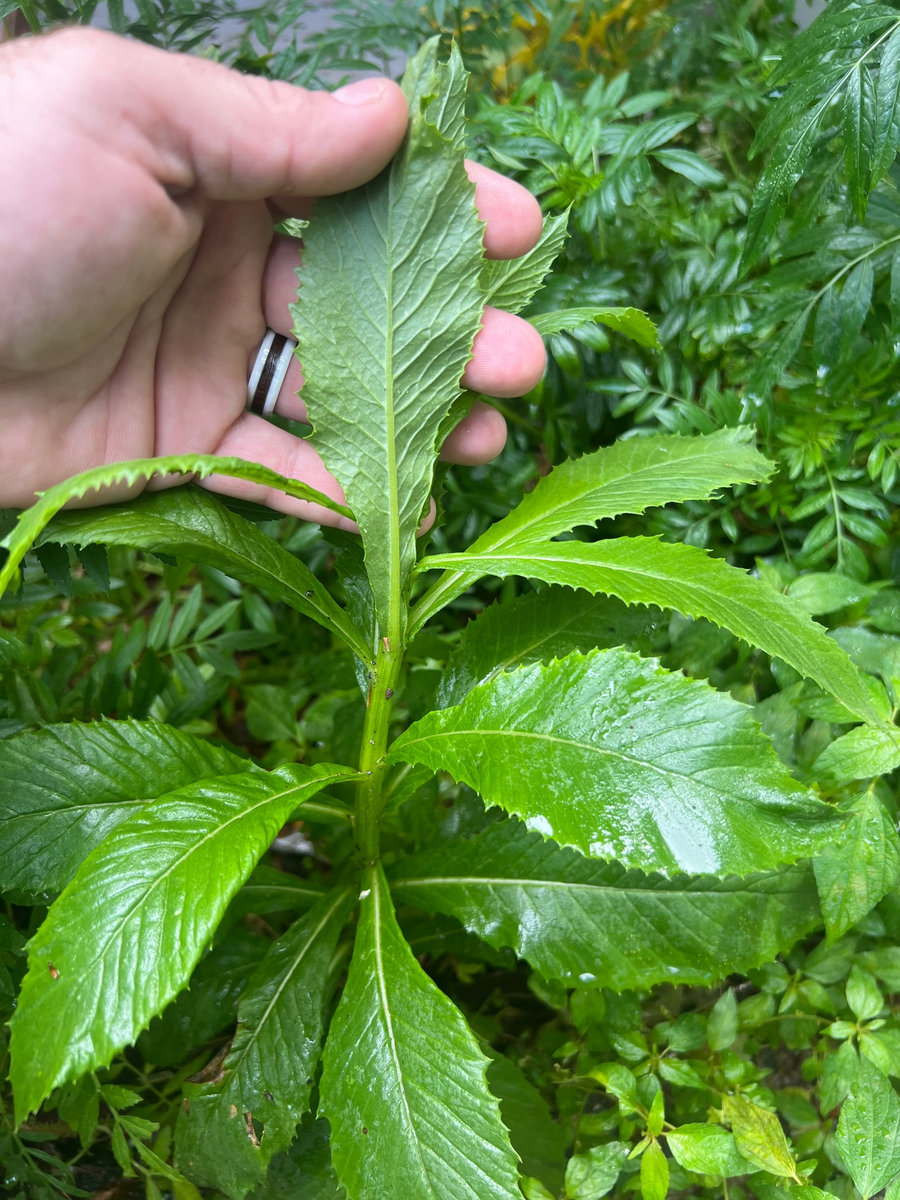
One of the things I enjoy about plants is discovering how much history can sit behind an ordinary looking weed. American burnweed, commonly identified as Erechtites hieraciifolius, is a good example.
Its common name and historical uses can spark curiosity, but neither is proof that it is safe or effective for treating a burn.
Plant history is not first aid
This article does not recommend drinking burnweed tea, putting crushed wild plants on a wound, or making a home burn treatment. Identification mistakes, irritation, and contamination are reasons to be cautious.
Do not use a plant remedy in place of appropriate burn or wound care. Serious, extensive, chemical, or electrical burns, signs of infection, and burns affecting sensitive areas need professional assessment.
Keep learning without experimenting on an injury
Observe plants, take photographs, and use reputable botanical references or an experienced local expert for identification. Learning a plant’s name and ecological role can be worthwhile without needing to turn it into medicine.
For first aid guidance, see the American Heart Association and American Red Cross guidelines.
This journal is for general education and personal reflection. Traditional uses and individual experiences are not proof of effectiveness. Products are not substitutes for medical diagnosis or treatment. Ask a qualified healthcare professional about individual suitability and medicine interactions.