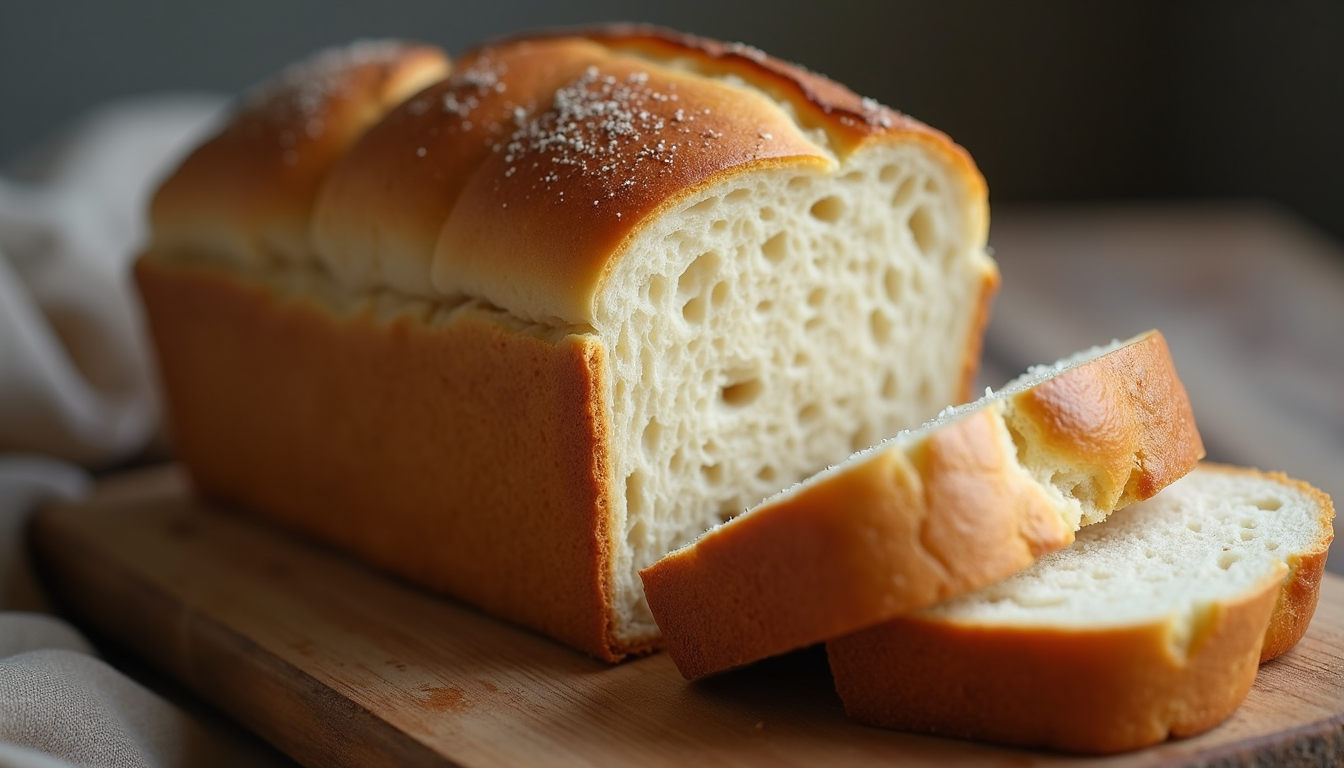
From the Naturalis Herbal journal archive. Updated for this site in November 2026. Current ingredients, prices, stock, and ordering options are listed in the Naturalis Herbal shop.
There are plenty of choices in the bread aisle, and labels can make an ordinary decision feel complicated. Organic, whole grain, and sourdough describe different things.
Organic describes production standards
An organic label does not automatically make bread more nutritious, allergy safe, or suitable for a medical condition. Look at the whole product rather than one word on the package.
Read the ingredients
Consider the type of flour, portion size, fiber, sodium, added sugars, and any allergens that matter to you. Choose bread that fits your needs, preferences, and budget.
Know your grains
Wheat, spelt, einkorn, and rye contain gluten. Ordinary sourdough made from those grains is not gluten free. Fermentation does not make it safe for celiac disease.
Baking at home can be a satisfying way to learn about flour and flavor. You do not need an expensive ingredient or a perfect loaf to enjoy the process.
Read more: NIDDK’s guidance on celiac disease and food.
This journal is for general education and personal reflection. Traditional uses and individual experiences are not proof of effectiveness. Products are not substitutes for medical diagnosis or treatment. Ask a qualified healthcare professional about individual suitability and medicine interactions.